• Aina Landscaping
Aina Landscaping
  • Aina Landscaping


Designing Logical and Beautiful Pathways to Enhance Garden Flow


The way people move through a garden dictates how they experience and interact with the space. Without clear, intuitive pathways, a yard feels disorganised and chaotic, and guests will inevitably trample across delicate lawns to find the quickest route to the patio or the front door. Pathways are the vital arteries of landscape architecture; they guide the eye, control the pace of the walk, and connect distinct areas of the property into a unified whole. Engaging professional Hawaii landscape services ensures your walkways are not only highly functional and durable but also deeply integrated into the aesthetic design of the garden. By carefully planning the layout, materials, and curves of your paths, you create a seamless, elegant journey through your outdoor environment.


Directing Foot Traffic Naturally and Intuitively


The most fundamental rule of pathway design is that the route must make logical sense. If a path takes a long, unnecessary detour, people will simply ignore it and cut across the grass, creating ugly dirt trails. You must observe the natural "desire lines"—the most direct routes people instinctively take between key points, such as from the driveway to the front door, or the back deck to the pool. Your primary pathways should follow these natural lines of travel. A well-designed path quietly but firmly commands the user, showing them exactly where to walk without hesitation, ensuring the journey through the property is safe, clean, and highly efficient.


Choosing the Right Pathway Materials


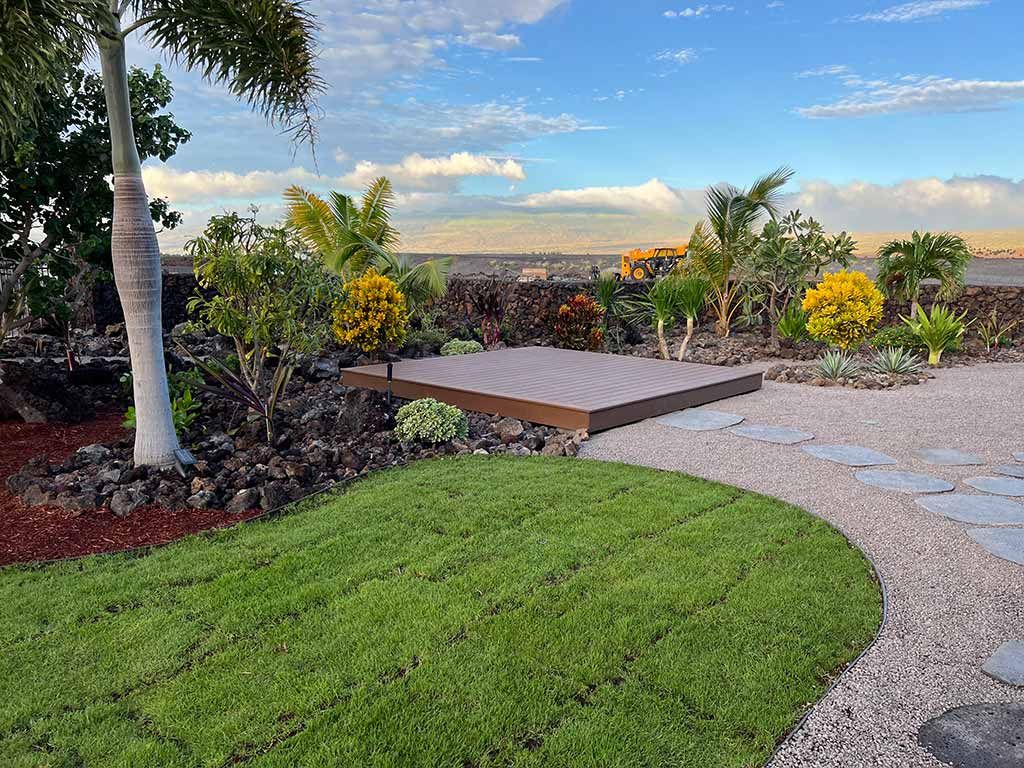
The material you select for a pathway heavily influences both the functional safety and the overall aesthetic mood of the garden. For high-traffic, primary routes—like the main approach to the house—you require solid, smooth, and highly stable materials. Poured concrete, large-format paving slabs, or tightly laid brick ensure safe, trip-free passage for guests, pushchairs, and rolling luggage. For secondary, slower-paced paths meandering through flower beds or leading to a quiet garden bench, looser, softer materials are highly effective. Crushed gravel, wood chips, or widely spaced stepping stones set into creeping groundcover force the walker to slow down and appreciate the surrounding foliage, creating a more relaxed, informal atmosphere.


Designing Curves Versus Straight Lines


The geometry of a pathway instantly dictates the formality and feeling of the space. Hard, perfectly straight lines and sharp ninety-degree angles create a highly formal, modern, and rigid aesthetic. Straight paths are excellent for directing the eye toward a strong focal point, like a front door or a central fountain, creating a sense of urgency and directness. Conversely, gently sweeping curves create a relaxed, organic, and informal feeling. A curved path adds an element of mystery to the garden, gently obscuring what lies ahead and encouraging the walker to stroll slowly and explore. Curves are particularly effective in making small, narrow yards feel significantly wider and more expansive.


Softening Hard Edges with Creeping Flora


A pathway should never look like it was simply dropped onto the garden from above; it must feel deeply rooted in the surrounding environment. If the edges of a hard stone path meet a perfectly manicured lawn, the transition feels harsh and highly artificial. To beautifully integrate the walkway, you must soften these hard edges with strategic planting. Allowing low-growing, creeping plants—such as creeping thyme, baby tears, or low sedums—to spill over the edges of the pavers blurs the strict architectural lines. This technique creates a romantic, aged, and fully integrated look, making the pathway appear as though it has naturally existed in the garden for decades.


Integrating Safe Steps on Uneven Terrain


When a pathway must navigate a change in elevation, however slight, the transition must be handled with utmost care for safety and visual flow. Sloping a smooth path too steeply creates a severe slip hazard, especially when wet. The correct approach is to integrate broad, highly visible steps. Outdoor steps should have a much deeper tread and a shorter rise than indoor stairs, allowing for a relaxed, easy stride. Constructing these steps from heavy, textured natural stone or thick timber instantly grounds the design. Ensuring the steps are well-lit and clearly distinguishable from the surrounding pathway material guarantees safe navigation through your garden, day or night.


Conclusion


Pathways are far more than just functional necessities; they are the architectural framework that ties your entire property together. By mapping out logical routes, selecting appropriate materials, and using curves to dictate the pace of the journey, you drastically improve the flow and usability of your garden. A thoughtfully designed network of pathways invites exploration, protects your delicate planting beds, and elevates the overall elegance of your outdoor space.


Call to Action


If your garden feels disconnected and lacks clear, beautiful walkways, our architectural design team can help. Contact us today to discuss how we can create a stunning network of pathways that enhances the flow and beauty of your property.


Visit


https://aina-landscaping.com/services/

  • Aina Landscaping

© 2026 Aina Landscaping

Powered by Pixieset